

The U.S. Strategic Petroleum Reserve (SPR) is being drained at a record pace under the current administration, with projections showing it could hit operational minimum levels as early as August 2026—faster than the Biden-era releases of 2022. At the same time, California is staring down a severe refined-product crunch, with jet fuel and diesel inventories projected to hit “tank bottoms” by July 4. These twin pressures could hammer consumers with higher fuel prices, supply disruptions, and broader economic pain.
SPR Drawdown Accelerating—Faster Than Biden’s 2022 Releases
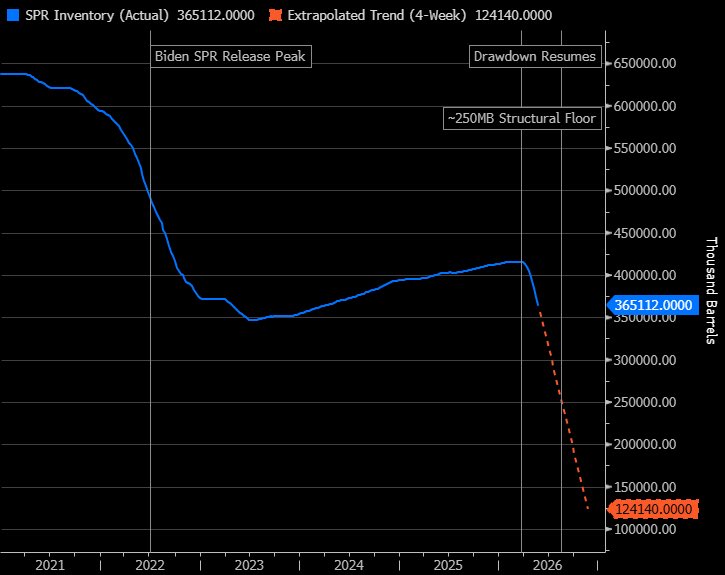
According to market strategist Liz Thomas (@LizThomasStrat), current trends point to the SPR reaching its operational minimum around August at a drawdown pace that exceeds the Biden administration’s 2022 authorized release. The U.S. Energy Information Administration (EIA) reports SPR crude stocks at approximately 365 million barrels as of the week ending May 22, 2026—down sharply from ~415 million barrels earlier in the year.
In March 2026, the Trump administration authorized the release of 172 million barrels as part of a coordinated International Energy Agency (IEA) effort involving 32 nations and roughly 400 million barrels total. This action was triggered by global supply disruptions, including issues in the Strait of Hormuz. The release is structured as a loan/exchange rather than a permanent sale: companies borrow the crude and must return it later with a premium (18–24% extra barrels). Even so, the pace has been aggressive—recent weekly draws have hit 1.41 million barrels per day, outstripping Biden’s 2022 rate.
For context, the Biden administration drew the SPR from ~579 million barrels in early 2022 down to a low of ~347 million barrels in July 2023 through a mix of emergency sales and mandated disposals. The current trajectory under Trump could push inventories to the Defense Department-certified floor of ~243 million barrels—the lowest since the early 1980s—potentially surpassing the scale and speed of Biden’s actions in the near term.
California’s Approaching Fuel Crisis
Compounding the national SPR concerns is a regional emergency on the West Coast. Energy analyst @CaptainRoyen
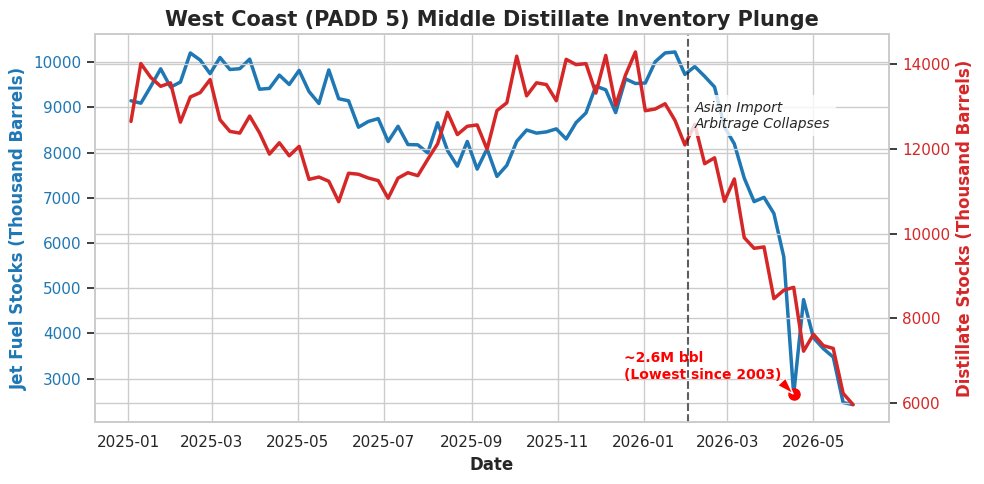
highlighted that California (PADD 5) is on track to hit critically low tank bottoms for jet fuel and diesel by July 4, 2026. Asian import arbitrage has collapsed, local refining capacity is maxed out, and infrastructure bottlenecks mean the situation cannot be reversed for 12–18 months.
California’s isolated fuel infrastructure limits easy imports from the Gulf Coast, and ongoing global disruptions (tied to the same events prompting the SPR release) have tightened supplies. Historical patterns of summer heat waves—combined with refinery closures, rising electricity demand from electrification and data centers, and limited battery storage—raise the risk of compounded stress on both liquid fuels and the power grid.
How This Gets Tough for Consumers
The dual pressures of a depleted SPR and California fuel shortages will hit American wallets and daily life hard:Higher Fuel Prices: With the SPR buffer shrinking and West Coast distillate stocks plunging, gasoline and diesel prices could spike further. Past SPR releases have provided only modest relief (13–31 cents per gallon). A tighter national and regional supply picture risks reversing recent downward forecasts and adding $30–$55+ per month to the average driver’s costs.
Supply Chain and Travel Disruptions: Low diesel in California threatens trucking and goods movement; jet fuel shortages could ground flights or raise airfares. These ripple nationwide through higher shipping costs and inflation.
Electricity and Broader Economic Pain: Heat-driven demand could strain California’s grid, echoing past blackout warnings. Nationally, reduced energy security leaves households and businesses vulnerable to volatility, especially as summer demand peaks.
Low-income families and energy-intensive industries will feel the pinch first, with potential knock-on effects on groceries, goods, and travel.
Trump Administration’s Options and Response
The administration has framed the 172-million-barrel release as a responsible, temporary measure to stabilize markets without permanent taxpayer cost. Energy Secretary Chris Wright has emphasized that the loaned oil will be replaced with approximately 200 million barrels (a net gain) within the next year via company returns.
Longer-term options under consideration include:
Accelerating domestic production and investment to reduce reliance on government stockpiles.
Replenishment purchases once prices stabilize.
Policy reforms such as canceling remaining congressionally mandated SPR sales.
President Trump has long advocated for energy dominance through increased U.S. output rather than large government-held reserves. The current loan structure aims to avoid the permanent depletion seen under the prior administration while addressing immediate global pressures.
The Bottom Line
The SPR is being drawn down at critical speed, with California’s refined-product crisis adding a regional flashpoint that could ignite broader consumer pain this summer. While the Trump administration’s loan-based approach and refill commitments differentiate it from past sales, the pace and scale are drawing comparisons to—and potentially exceeding—the Biden-era drawdowns. Energy independence through production growth remains the clearest path forward to protect consumers from repeated crises.
- Liz Thomas Strat post on SPR drawdown: https://x.com/LizThomasStrat/status/2061888522030563769
- Captain Royen post on California crisis: https://x.com/CaptainRoyen/status/2061855706282647610
- DOE SPR Quick Facts: https://www.energy.gov/hgeo/opr/spr-quick-facts
- EIA SPR Inventory Data: https://www.eia.gov/dnav/pet/hist/LeafHandler.ashx?n=PET&s=MCSSTUS1&f=M and https://ycharts.com/indicators/us_ending_stocks_of_crude_oil_in_the_strategic_petroleum_reserve
- Trump Administration SPR Release Announcement (March 2026): https://www.energy.gov/articles/united-states-release-172-million-barrels-oil-strategic-petroleum-reserve
- Additional analysis: Mineral Rights Podcast (MRP 326) on SPR status; CNN reporting on drawdown pace (May 28, 2026).
All data current as of early June 2026. Energy News Beat will continue monitoring developments. Stay informed—energy security matters.
The post SPR Draw Down at Critical Levels and May Surpass the Biden Abuse appeared first on Energy News Beat.