
Energy News Beat Exclusive
March 23, 2026, In a notable pivot amid the escalating U.S.-Israeli conflict with Iran, President Donald Trump has directed Israel to cease attacks on key Iranian energy infrastructure, specifically targeting the world’s largest natural gas field. This move comes as tit-for-tat strikes on energy assets have already sent global oil and gas prices spiraling.
The Announcement
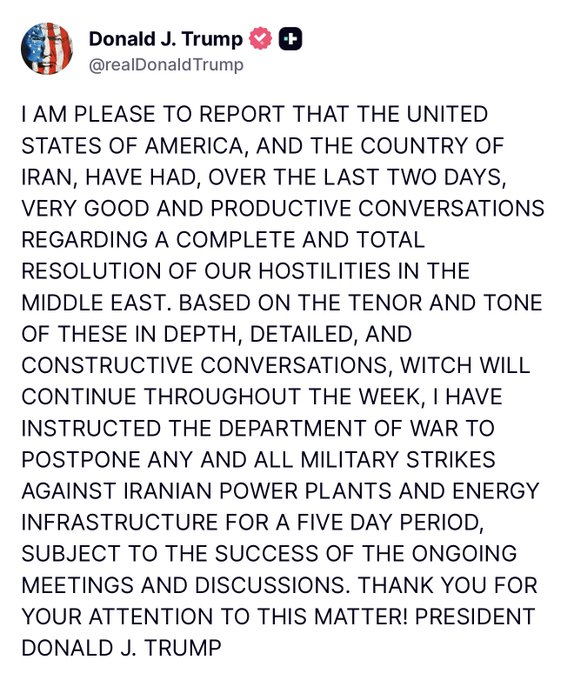
Following an Israeli strike earlier this month on Iran’s South Pars natural gas field — a massive shared resource with Qatar that supplies critical LNG, petrochemicals, and domestic energy — President Trump publicly intervened. In statements from the Oval Office and on Truth Social, he confirmed telling Israeli Prime Minister Benjamin Netanyahu, “Don’t do that,” and emphasized, “NO MORE ATTACKS WILL BE MADE BY ISRAEL pertaining to this extremely important and valuable South Pars Field.” Trump stressed that he had instructed Israel to stand down to prevent broader economic damage and retaliatory escalation. He added a caveat: if Iran attacks Qatari energy facilities again, the U.S. would respond forcefully against the field.
This announcement represents a reversal of momentum on energy-target strikes, coming just days after Trump had floated the possibility of U.S. action against Iranian oil or power infrastructure. It signals an effort to protect vital production capacity while the broader war — now in its fourth week — continues to disrupt the Strait of Hormuz, through which roughly 20% of global oil and LNG flows. Iran has retaliated with threats to close the strait indefinitely and target regional energy and water infrastructure if its own facilities are hit.
Impact on Oil Markets
Oil prices remain highly volatile but have shown pockets of relief tied to de-escalation signals like this one. Brent crude, the global benchmark, has surged more than 50% since the conflict began, recently trading around $113–$114 per barrel (with intraday peaks near $119 earlier in the month). West Texas Intermediate (WTI) hovers near $99–$100 per barrel. The halt on South Pars strikes limits immediate risks to major gas and associated oil production, potentially capping some upside in prices by preserving supply potential.
However, the bigger driver remains the Strait of Hormuz blockade and Trump’s separate 48-hour ultimatum (issued Saturday) threatening to “obliterate” Iranian power plants if shipping isn’t fully restored. Markets reacted with fresh spikes on Sunday and Monday, as Iran vowed full closure and retaliation against Gulf energy assets. Analysts warn that any actual damage to Iranian energy infrastructure could push Brent toward $120+ and trigger a supply shock rivaling the 1970s oil crises. Goldman Sachs and others project sustained elevated prices through 2027 if disruptions persist. European natural gas has also jumped sharply on spillover effects.
In short, Trump’s intervention on the gas field provides a short-term stabilizing factor, but the Hormuz crisis and ongoing threats keep the market on a knife-edge.
What This Means for Investors
Energy investors face a mixed but cautiously positive signal from the de-escalation on upstream gas strikes. Protecting South Pars reduces the near-term risk of catastrophic damage to Iran’s export capacity (and related Gulf assets), which could support share prices for integrated majors with regional exposure, LNG exporters, and petrochemical firms. Lower odds of immediate escalation in energy-targeting may ease volatility in oil & gas equities and futures options.
That said, broader geopolitical risk premiums remain elevated. Investors should watch:
Upstream and midstream plays: Potential stability in Gulf production.
Alternatives: Renewables and U.S. domestic shale could benefit from prolonged uncertainty and higher prices.
Hedging: Volatility indexes and energy ETFs remain attractive for risk management.
Overall, this move suggests Trump is prioritizing economic stability over all-out infrastructure warfare — a bullish nuance for long-term energy asset valuations — but fresh threats over the strait could reverse gains quickly. Portfolio diversification across oil, gas, and non-fossil alternatives is prudent.
Implications for Consumers
American households are already paying the price at the pump. National average gasoline prices have climbed roughly $0.80–$1.00 per gallon since the conflict intensified, now averaging around $3.70–$3.94 depending on the region. Trump’s directive to halt further energy infrastructure bombing offers modest relief by reducing the chance of even steeper spikes from destroyed production capacity.
If de-escalation holds on gas/oil targets, it could help moderate further increases in heating, electricity, and transportation costs this year. However, any prolonged Hormuz disruption or U.S. strikes on Iranian power plants (which support domestic energy distribution) would keep fuel and utility bills elevated well into 2027. Consumers should lock in fixed-rate energy plans where possible and monitor local gas price trends closely.
Outlook
President Trump’s reversal on Israeli strikes against Iranian energy infrastructure marks a calculated step to safeguard global energy flows and prevent an even worse supply shock. While it doesn’t resolve the core Hormuz crisis or the new U.S. ultimatum on power plants, it underscores a focus on protecting valuable assets amid war. The situation remains fluid, with the 48-hour deadline looming and markets bracing for Monday’s developments.
Energy News Beat will continue monitoring real-time price action, analyst forecasts, and policy updates. For investors and consumers alike, this is a reminder that geopolitics drives energy costs more than ever. Stay informed — and stay ahead. Sources include Reuters, Bloomberg, CNBC, and official statements. Prices as of March 23, 2026, trading.
Sources: ca.finance.yahoo.com, nytimes.com, reuters.com, cnbc.com,
The post President Trump Halts Further Strikes on Iranian Energy Infrastructure: De-Escalation Signal Amid Ongoing Conflict – What It Means for Investors, Consumers, and Oil Markets appeared first on Energy News Beat.