


In the midst of escalating geopolitical tensions in the Middle East, Saudi Arabia’s long-term investments in pipeline infrastructure are proving to be a critical lifeline for global energy markets. With the Strait of Hormuz effectively shut down due to the ongoing conflict with Iran, the Kingdom’s East-West Pipeline—often referred to as Petroline—has emerged as a vital “safety valve,” allowing millions of barrels of oil to bypass the chokepoint and reach international markets via the Red Sea port of Yanbu.
This strategic rerouting not only underscores the importance of diversified export routes but also highlights how foresight in energy infrastructure can mitigate the impacts of regional instability.
Background on the East-West Pipeline: A Strategic Asset
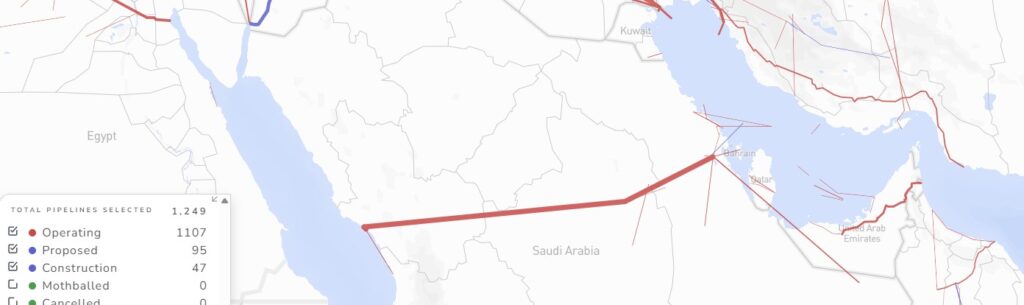
Constructed in the 1980s amid fears of disruptions in the Persian Gulf, the East-West Pipeline spans approximately 1,200 kilometers from Saudi Arabia’s eastern oil fields near Abqaiq to the western port of Yanbu on the Red Sea. Originally designed with a capacity of around 5 million barrels per day (bpd), the pipeline has undergone significant expansions and is now capable of transporting up to 7 million bpd of crude oil.
This infrastructure allows Saudi Aramco, the state-owned oil giant, to redirect flows away from the volatile Strait of Hormuz, which typically handles about 20% of the world’s oil trade.
The pipeline’s dual-purpose design also supports the transport of natural gas liquids and refined products, but in times of crisis, it prioritizes crude exports. Aramco CEO Amin Nasser recently emphasized that the pipeline is being ramped up to its full capacity, primarily carrying Arab Light and Arab Extra Light crude grades to Yanbu.
Of the 7 million bpd capacity, around 2 million bpd is allocated to domestic refineries in the west, leaving approximately 5 million bpd available for export—a significant volume that helps stabilize global supplies amid the blockade.
The Current Crisis: Hormuz Blockade and Its Ripple Effects
The conflict erupted on February 28, 2026, with coordinated U.S.-Israeli military actions against Iran, prompting Tehran to declare the Strait of Hormuz closed to all traffic.
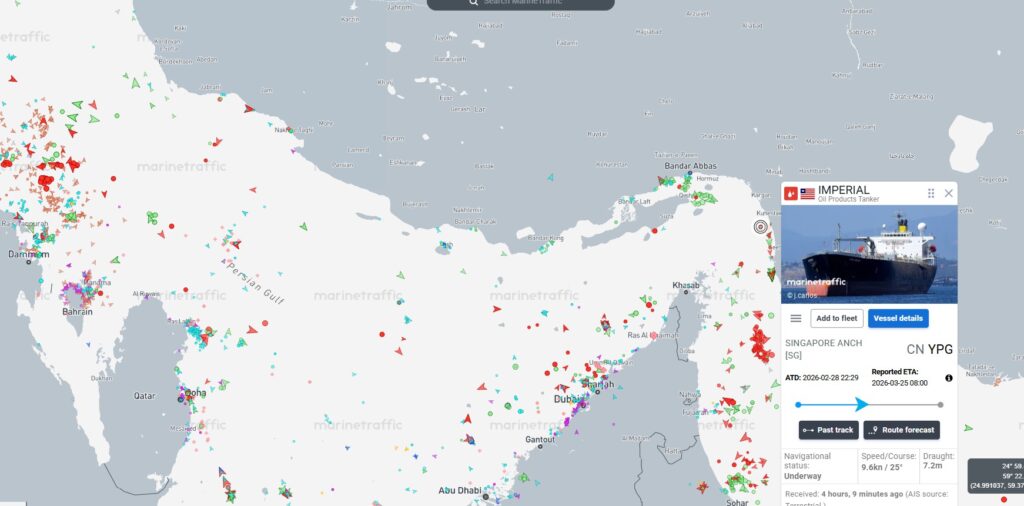
Iranian forces have enforced this blockade through attacks on vessels, including drone strikes and missile assaults, effectively halting tanker movements.
Traffic through the strait, which normally sees dozens of ships daily, has dwindled to near zero, with Iran vowing to maintain the closure until the war ends.
This disruption has sent shockwaves through energy markets, with oil prices surging and global supply chains strained. Saudi Arabia, which typically exports around 6 million bpd through Hormuz, faces potential losses of hundreds of millions of barrels if the blockade persists—Nasser estimates close to 350 million barrels could be disrupted overall.
However, the East-West Pipeline has allowed the Kingdom to pivot swiftly, ensuring that a substantial portion of its output continues to flow.
Yanbu as the Safety Valve: Ramping Up Exports
Yanbu has quickly become the focal point of Saudi’s export strategy. Loadings at the port have more than doubled since the crisis began, averaging 2.2 million bpd between March 1 and 9, 2026, compared to February levels.
The port’s two terminals—Yanbu North and Yanbu South—have a nominal capacity of about 4.5 million bpd, though market sources suggest effective throughput is closer to 4 million bpd.
Experts note that Yanbu could handle between 4 and 5 million bpd, providing a crucial outlet for Saudi crude.
This rerouting has added millions of barrels to the global market that would otherwise be stranded. Aramco has confirmed that the pipeline will soon operate at full tilt, enabling the company to meet the majority of customer requirements despite the Hormuz shutdown.
While it can’t fully compensate for the lost Gulf routes—limitations at Yanbu prevent running at maximum production—the shift has prevented a more severe supply crunch.Bahri Steps Up: Securing Ships for the Red Sea RouteTo facilitate these increased exports, Saudi Arabia’s national shipping company, Bahri, has aggressively chartered very large crude carriers (VLCCs) at premium rates. The company has secured at least six VLCCs, with potential for more, to shuttle oil from Yanbu to global destinations.
This move comes as shipping costs skyrocket due to the conflict, underscoring Bahri’s role in maintaining supply chains. Maritime intelligence reports indicate 27 VLCCs heading toward Yanbu as the Kingdom accelerates its westward pivot.
Why Pipelines Matter in Geopolitical TurbulenceThe current crisis vividly illustrates the value of pipeline investments during geopolitical upheavals. By bypassing chokepoints like Hormuz, Saudi Arabia not only safeguards its own revenues but also contributes to global energy security. As Nasser warned, prolonged closure of the strait could have “catastrophic consequences” for oil markets, potentially removing vast volumes from circulation.
Yet, the East-West Pipeline’s activation demonstrates how strategic infrastructure can act as a buffer, allowing additional oil to reach markets and tempering price volatility.In an era of heightened risks—from conflicts to climate events—pipelines aren’t just conduits for energy; they’re essential tools for resilience. Saudi Arabia’s foresight is paying dividends, proving once again that in the energy world, preparation is the best defense against uncertainty. As the situation evolves, the Energy News Beat will continue monitoring how these developments shape the global landscape.
Sources: reuters.com, windward.ai, bloomberg.com, finance.yahoo.com, arabnews.com, argusmedia.com
Get your CEO on the #1 Energy Podcast in the United States: https://energynewsbeat.co/energy-news-beat-media-kit/
Is oil and gas right for your portfolio? https://energynewsbeat.co/invest/
The post Saudi Arabia’s Pipeline Investment Pays Off appeared first on Energy News Beat.