
In a late-night post on Truth Social dated March 13, 2026, President Donald Trump announced that U.S. forces had conducted a major bombing raid on Iran’s Kharg Island, describing it as “one of the most powerful bombing raids in the History of the Middle East.”
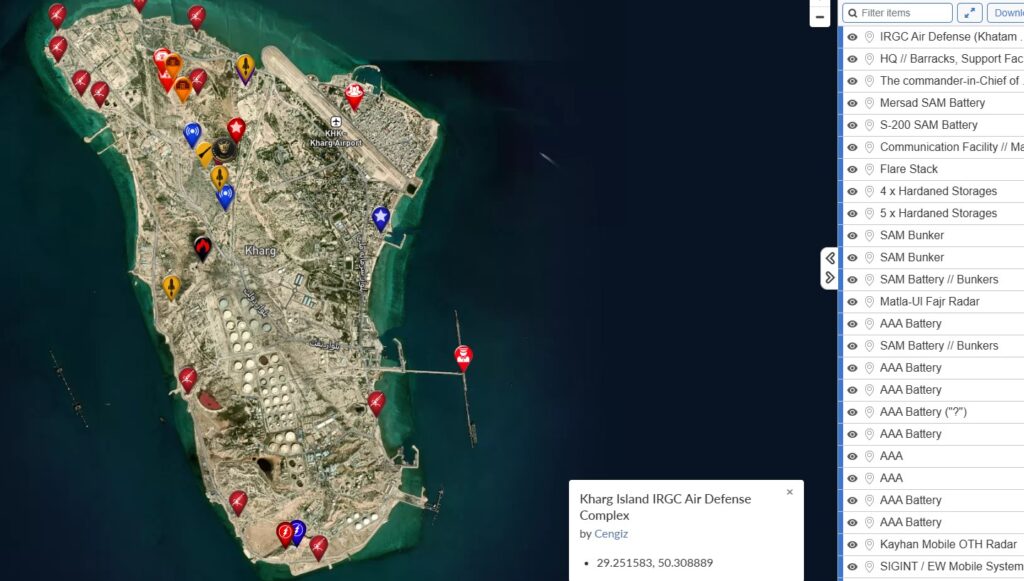
He emphasized that the strikes “totally obliterated every MILITARY target” on the island, which serves as Iran’s primary oil export hub, but deliberately avoided damaging the oil infrastructure “for reasons of decency.”
This statement aligns with reports from U.S. military officials, who confirmed the operation targeted military assets exclusively, sparing the critical oil terminals that handle approximately 90% of Iran’s crude exports.
Kharg Island, located in the Persian Gulf, is a linchpin of Iran’s energy economy, with a storage capacity of around 30 million barrels and daily export capabilities of up to 2 million barrels per day under normal conditions.
The island’s facilities have been under scrutiny since the onset of hostilities between the U.S., Israel, and Iran on February 28, 2026, which have already led to a 51.7% drop in average crude exports from the terminal, down to about 0.98 million barrels per day.
Trump’s post warned that any interference with shipping through the Strait of Hormuz could prompt a reconsideration of this restraint, potentially escalating the conflict further and rattling global oil markets.
Verifying the Strike and Damage Assessment
The announcement comes amid the second week of the U.S.-led air campaign, which Defense Secretary Pete Hegseth described as intensifying, with March 13 marking one of the most aggressive days of operations.
According to Trump, the raid focused on obliterating Iranian military forces on the island, but independent verification of the damage remains challenging due to the recency of the event and limited access to the site.
U.S. officials maintain that the oil export terminals and related equipment remain intact, with the strikes precision-guided to avoid environmental or economic fallout from oil spills or fires.
However, conflicting accounts have emerged. A senior Iranian Oil Ministry official described the attacks as “enormous and destructive,” reporting impacts on oil refinery employees and suggesting broader infrastructure involvement.
Commercial satellite imagery analyzed post-strike shows evidence of fires and disruptions in areas surrounding the export hub, though the exact extent to the oil facilities is unclear.
Recent satellite images of Kharg Island reveal some dark patches and potential burn scars near storage tanks and port areas, which could indicate secondary effects from the strikes, such as damage to supporting infrastructure.
Social media discussions on platforms like X highlight user reports of targeted hits on electrical substations and a 33MW power generation facility, potentially crippling operations indirectly by cutting power to pumping systems.
One analysis suggests the island has a 13-day fuel reserve for backup generators, after which oil export activities could halt if repairs aren’t made.
Other reports, however, align with the U.S. narrative, stating the oil hub remains “untouched” and fully operational as of March 9, with tanker activity continuing despite heightened risks.
Maritime intelligence indicates tankers are increasingly using AIS suppression and spoofing to obscure movements, complicating real-time assessments.
Potential Repair Efforts and Timeline
If the oil infrastructure truly escaped direct hits, as claimed by the Trump administration, Kharg Island could resume full operations relatively quickly once military threats subside. However, should secondary damage—such as to power systems or pipelines—be confirmed, the timeline extends significantly.
Minor Disruptions (e.g., Power Outages): Repairing electrical substations and generators could take 2-6 weeks, assuming access to spare parts and no ongoing hostilities. Iran’s experience from the 1980s Iran-Iraq War, where facilities were damaged but rebuilt swiftly, suggests resilience in this scenario.
Moderate Damage (e.g., Fires or Partial Incapacitation): Analysts estimate months for partial recovery, potentially using alternative coastal loading points. Full restoration might require 6-12 months, with exports limited to a fraction of pre-war levels due to sanctions and naval risks.
Severe Damage (e.g., Process Trains Knocked Out): In worst-case scenarios reported by some observers, including vapor cloud explosions or pressure vessel failures, rebuilding could span 36 months or more.
This would involve international contractors, new equipment procurement under sanctions, and environmental cleanup, costing billions and severely impacting Iran’s economy, which relies on oil for 25-40% of its budget.
Global oil prices have already surged, with crude topping $100 per barrel amid the uncertainty.
If Kharg’s operations are indeed impaired, even indirectly, this could exacerbate supply shortages, benefiting non-Iranian producers but raising energy costs worldwide.As the situation evolves, Energy News Beat will continue monitoring developments. For now, the U.S. stance of targeted military precision holds, but Iranian countermeasures and independent satellite analyses may reveal more in the coming days. Stay tuned for updates on how this impacts the global energy landscape.
Sources: geopoliticsunplugged.substack.com, @TidalPowerBob, windward.ai, nytimes.com, timesofisrael.com
Get your CEO on the #1 Energy Podcast in the United States: https://sandstoneassetmgmt.com/media/
Is oil and gas right for your portfolio? https://energynewsbeat.co/invest/
The post U.S. Strikes Kharg Island: Trump’s Claim of Precision Targeting Amid Conflicting Damage Reports appeared first on Energy News Beat.